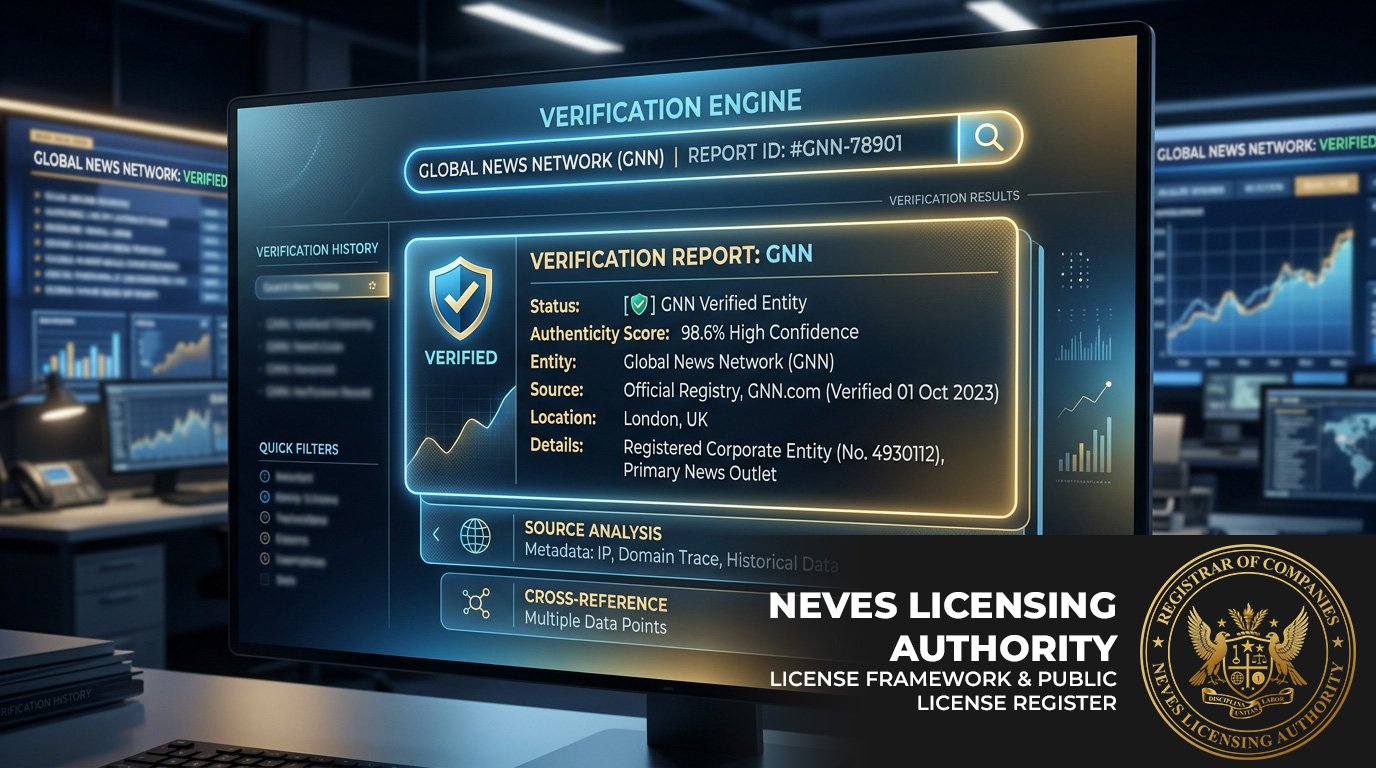
Licence verification is a critical component of regulatory transparency in Neves. It ensures that businesses claiming to be licensed are genuinely authorized and operating under regulatory oversight. By maintaining a clear and accessible licence verification system, Neves strengthens public confidence, protects consumers, and reinforces its reputation as a credible jurisdiction.
This process allows stakeholders clients, investors, partners, and the general public to independently confirm the legitimacy of licensed entities operating in or from Neves.
Purpose of Licence Verification in Neves
Neves licence verification exists to provide transparency and accountability within the regulatory framework. It ensures that licensing is not merely a formal approval but a verifiable status that can be independently confirmed.
The primary objectives of licence verification are to:
- Prevent misrepresentation and fraudulent claims
- Protect consumers and counterparties
- Enhance trust in regulated businesses
- Support regulatory enforcement and oversight
By enabling verification, Neves promotes confidence in its regulatory ecosystem.
Public Access to Licence Information
One of the key features of licence verification in Neves is controlled public access to licensing information. Regulatory authorities maintain official records of licensed entities that can be referenced to confirm authorization status.
Publicly verifiable information may include:
- Legal name of the licensed entity
- Type and scope of licence granted
- Licence number or reference
- Current licence status (active, suspended, revoked)
This transparency allows third parties to validate claims without relying solely on representations made by the business itself.
Verification Process and How It Works
Neves licence verification typically works through official regulatory channels. Interested parties can verify a licence by checking regulatory registers, requesting confirmation from the authority, or reviewing official publications.
The process generally involves:
- Identifying the licensed entity’s registered details
- Matching licence information with official records
- Confirming that the licence is current and valid
- Verifying that activities fall within the licensed scope
This structured approach reduces ambiguity and ensures accurate validation.
Role of Regulators in Maintaining Accurate Records
Regulatory authorities in Neves are responsible for maintaining up-to-date and accurate licensing records. This includes recording new licences, renewals, suspensions, and revocations.
To ensure reliability, regulators:
- Regularly update licensing databases
- Monitor compliance and licence status changes
- Remove or flag non-compliant entities
- Publish regulatory updates where necessary
Accurate recordkeeping is essential for maintaining trust in the verification process.
Licence Status and Ongoing Compliance
Licence verification in Neves does not only confirm whether a licence was issued but also reflects ongoing compliance. A valid licence indicates that the entity continues to meet regulatory obligations.
Verification systems may reveal:
- Whether the licence is active or expired
- If the entity is under regulatory review
- Whether restrictions or conditions apply
This dynamic aspect of verification reassures the public that licensing is continuously monitored, not a one-time approval.
Protection Against Unlicensed Operations
A major benefit of licence verification is its role in preventing unlicensed or unauthorized operations. Public access to licence information allows stakeholders to identify entities that are operating without approval.
This helps:
- Consumers avoid fraudulent service providers
- Investors reduce regulatory risk
- Partners ensure compliant collaborations
The ability to verify licences acts as a deterrent against regulatory misuse.
Building Trust with Clients and Investors
For licensed businesses, Neves licence verification is a credibility tool. Being verifiable through an official regulatory system enhances trust and demonstrates commitment to compliance.
Verified licensing:
- Improves confidence among clients and partners
- Supports banking and payment service relationships
- Enhances international recognition
- Signals regulatory accountability
This trust is particularly important in regulated sectors such as finance, gaming, and corporate services.
Role in Regulatory Enforcement
Licence verification also supports regulatory enforcement. When discrepancies or false claims are identified, regulators can take corrective or enforcement action.
Verification data helps regulators:
- Identify unauthorized operators
- Monitor misuse of regulatory status
- Support investigations and compliance reviews
This reinforces the integrity of the regulatory framework.
Transparency and International Credibility
Transparent licence verification aligns Neves with international best practices in regulatory governance. Many global institutions and counterparties expect jurisdictions to provide clear verification mechanisms.
By offering verifiable licensing:
- Neves strengthens its international standing
- Facilitates cross-border cooperation
- Supports compliance with global standards
This transparency contributes directly to public and institutional confidence.
Conclusion
Neves licence verification plays a vital role in maintaining public confidence and regulatory integrity. By enabling independent confirmation of licensing status, Neves protects consumers, supports compliant businesses, and reinforces trust in its regulatory system.
Through accurate records, public accessibility, and ongoing oversight, licence verification ensures that licensing in Neves is transparent, reliable, and meaningful. For the public, investors, and international partners, this system provides assurance that licensed entities operate under genuine and enforceable regulatory authority.