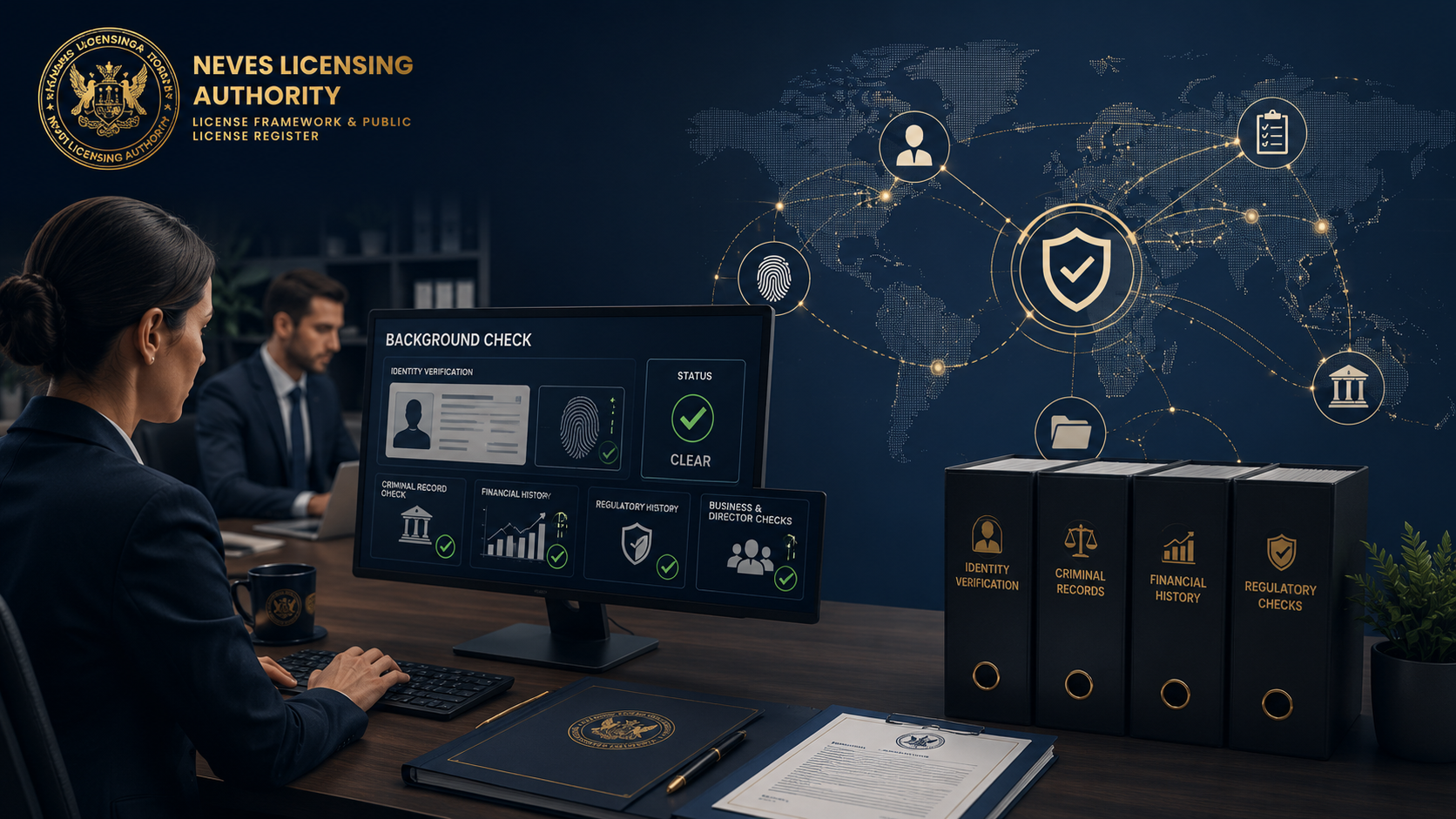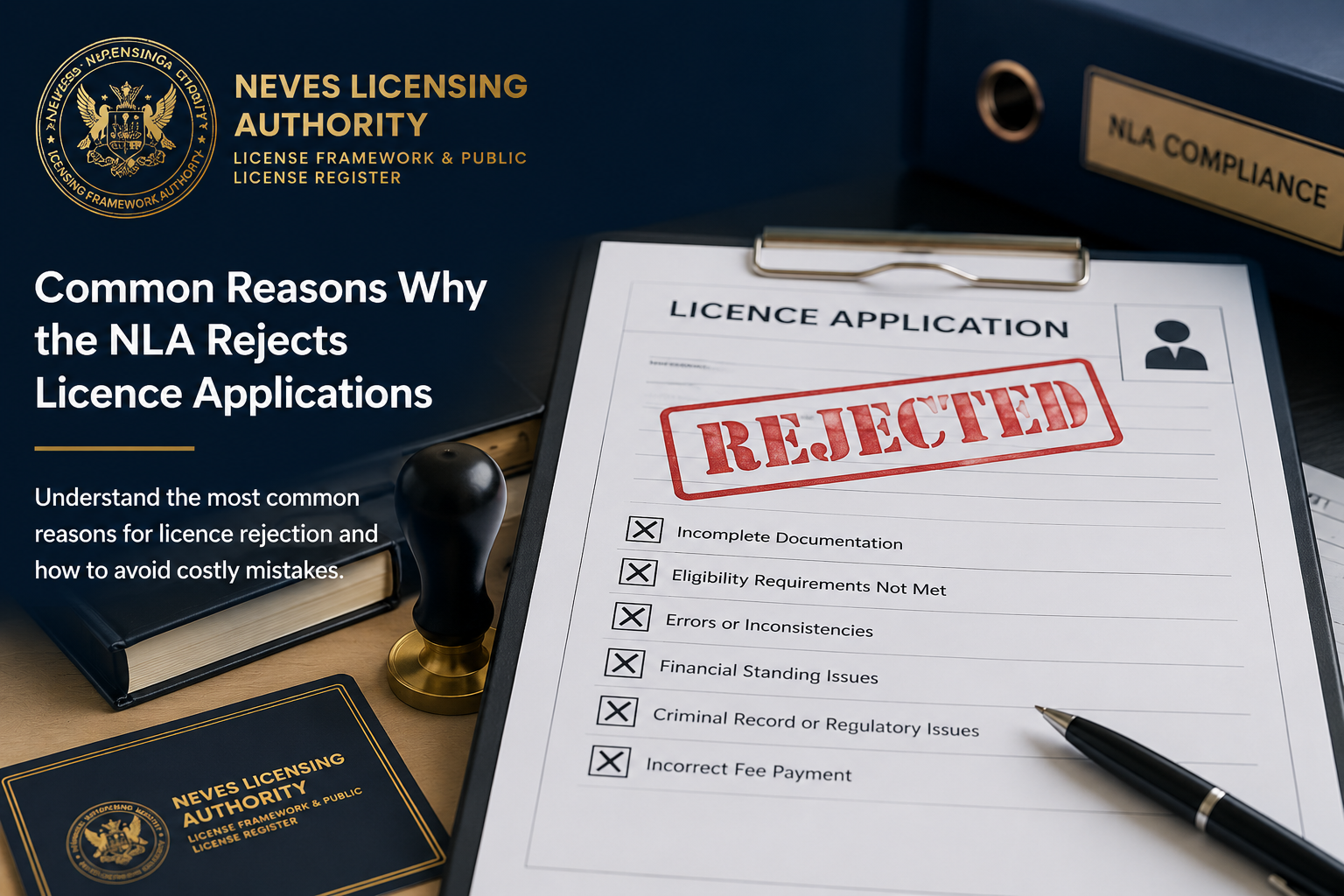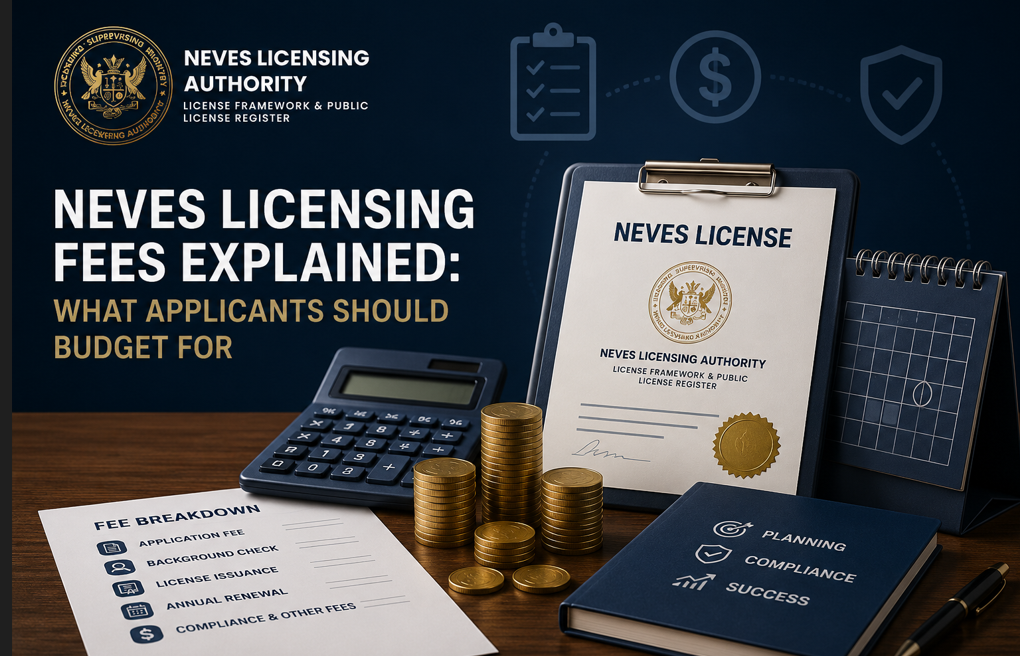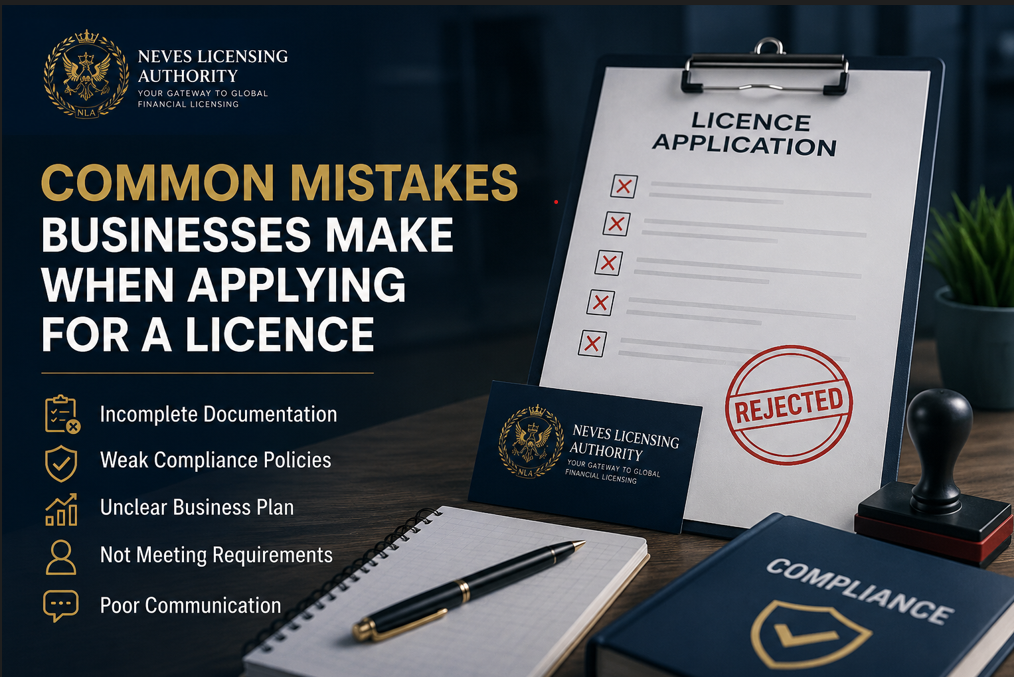

The financial services industry depends heavily on trust, accountability, and effective oversight. For businesses seeking a reliable regulatory environment, compliance standards play a critical role in determining credibility and long-term sustainability. The Neves Licensing Authority (NLA) places significant emphasis on maintaining compliance standards through structured regulatory frameworks, transparent governance practices, and ongoing oversight mechanisms.
The answer is yes—the NLA maintains compliance standards by establishing clear regulatory expectations and encouraging responsible business conduct among licensed entities.
A Framework Built on Regulatory Compliance
Compliance is the foundation of any credible licensing authority. The NLA promotes regulatory compliance by requiring licensed organizations to operate within established guidelines and standards. These requirements help ensure that businesses understand their responsibilities and maintain operational integrity.
By setting clear expectations, the NLA contributes to a regulatory environment that supports transparency and accountability.
Governance Transparency and Accountability
Governance transparency is an essential component of effective regulation. The NLA supports transparency by maintaining structured licensing procedures and providing guidance regarding regulatory requirements.
Transparency helps businesses, investors, and stakeholders better understand the standards expected of licensed entities. This approach strengthens confidence in the licensing process and contributes to overall regulatory legitimacy.
Supporting Financial Regulation
Financial regulation is designed to promote stability, trust, and responsible conduct within the marketplace. The NLA contributes to these objectives by encouraging organizations to maintain sound operational practices and comply with applicable requirements.
Through its regulatory framework, the authority supports an environment where compliance and accountability remain priorities.
Compliance in a Digital Economy
As fintech licensing and digital finance regulation continue to evolve, regulatory authorities must adapt to changing market conditions. The NLA recognizes the importance of modern regulatory approaches that balance innovation with oversight.
Organizations involved in financial technology benefit from clear compliance expectations that encourage responsible growth while supporting consumer confidence.
Why Compliance Standards Matter
Strong compliance standards help protect the reputation of licensed organizations while also strengthening confidence in the broader regulatory framework. Businesses that operate within established standards are better positioned to build trust with clients, partners, and stakeholders.
The NLA’s focus on compliance demonstrates a commitment to maintaining professional and transparent regulatory practices.
Conclusion
Yes, the NLA maintains compliance standards through structured oversight, governance transparency, regulatory accountability, and clear licensing expectations. These principles help create a trustworthy framework that supports responsible business operations and promotes confidence in the regulatory process.