
Introduction
In today’s digital economy, businesses operating in sectors such as financial services, fintech, online gaming, and digital commerce often seek licensing frameworks that provide structure, compliance guidance, and operational oversight. As international business models continue to evolve, organizations increasingly look for licensing environments that support transparency, governance, and regulatory processes.
One organization that has attracted attention in this area is the Neves Licensing Authority (NLA). Businesses exploring licensing options frequently ask: What is the Neves Licensing Authority, and how does it operate?
This article provides an overview of the NLA framework, its operational approach, and its role within modern licensing and compliance discussions. It also examines how the term Neves Licensing Authority Sao Tome is commonly associated with discussions surrounding the organization’s licensing structure.
Understanding the Neves Licensing Authority
The Neves Licensing Authority is presented as a licensing and regulatory framework designed to support businesses operating in specialized sectors. Its published materials describe a structure focused on licensing administration, governance principles, compliance expectations, and verification processes.
As digital industries become increasingly global, organizations often seek frameworks that help establish operational standards and provide structured licensing pathways. The NLA positions itself as part of this broader regulatory and licensing landscape.
Businesses researching Neves Licensing Authority Sao Tome frequently encounter information related to licensing categories, compliance requirements, and administrative procedures intended to support regulated business activities.
How the NLA Framework Operates
The operation of a licensing framework generally involves several key elements:
1. Application Procedures
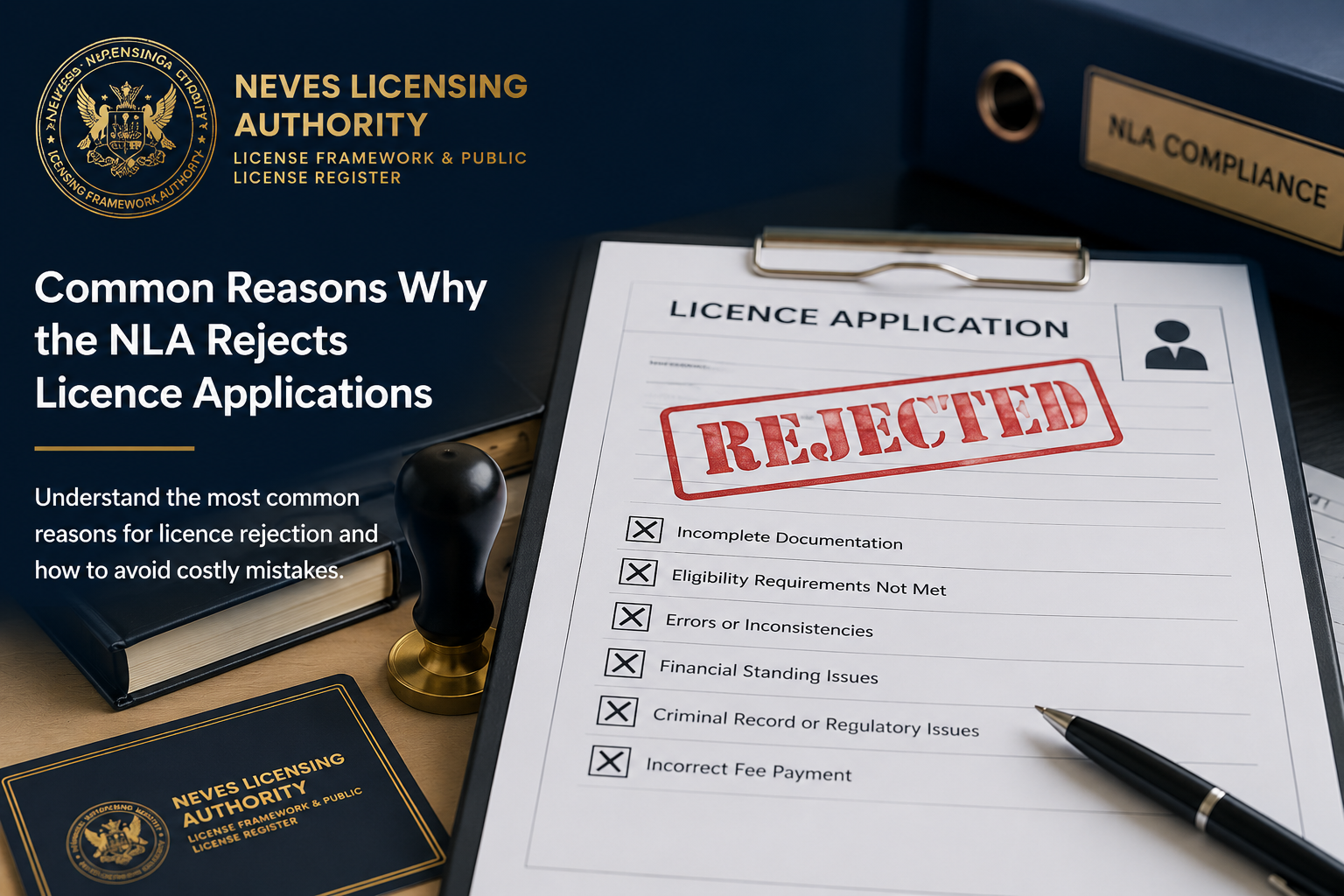
Organizations seeking licensing typically submit documentation regarding their business structure, ownership, operational model, and compliance policies.
A structured review process helps determine whether an applicant satisfies the requirements associated with a specific licensing category.
2. Compliance Expectations
Modern licensing frameworks often establish expectations relating to:
- Corporate governance
- Internal controls
- Risk management
- Record keeping
- Business transparency
These elements help create a more organized operating environment for licensed entities.
3. Ongoing Oversight
Licensing is not always limited to the initial approval stage. Many frameworks include ongoing compliance obligations intended to ensure that licensed entities continue operating according to established standards.
This approach supports accountability and encourages businesses to maintain internal compliance processes over time.
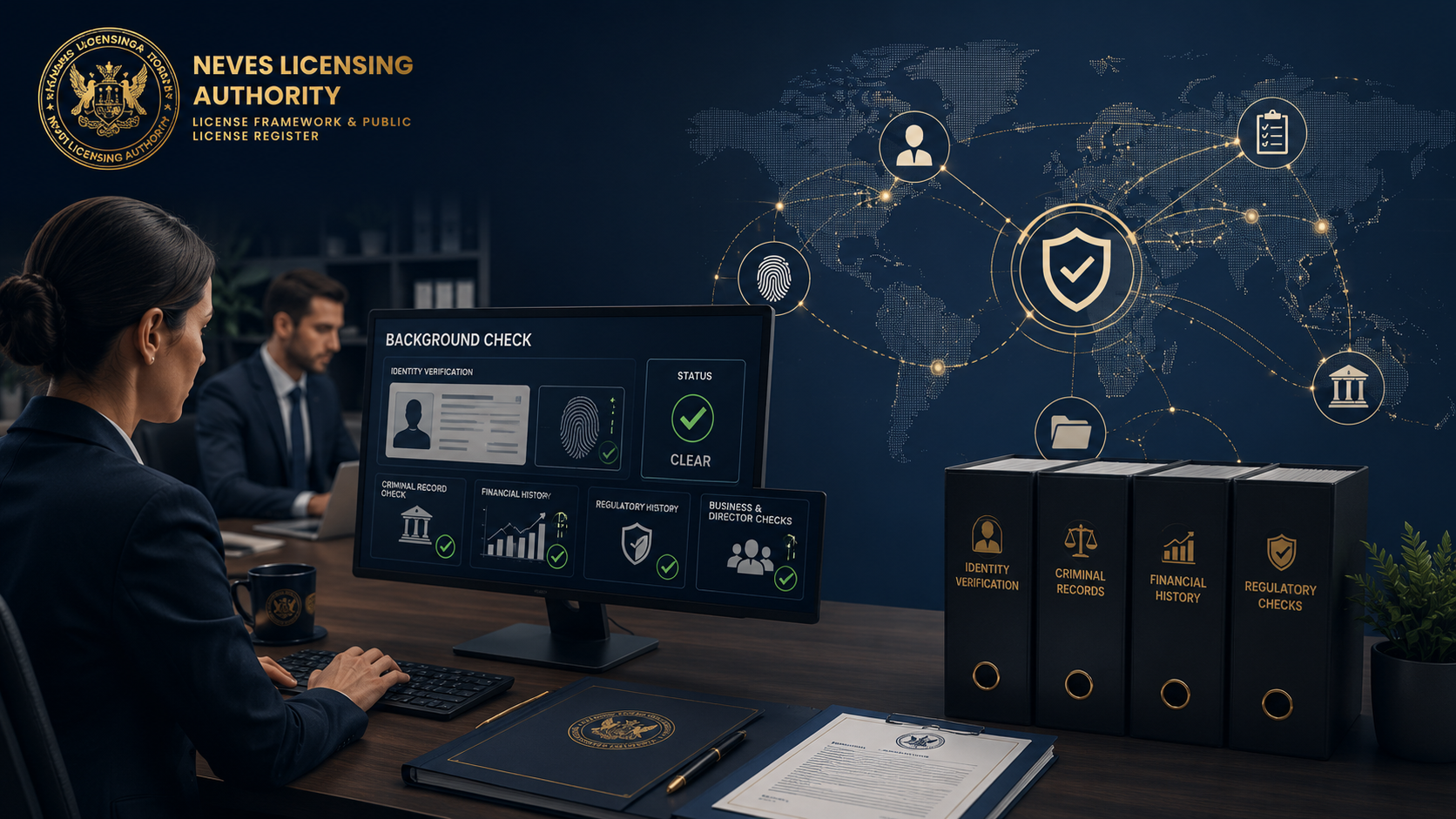
4. Verification Mechanisms
Verification systems play an important role in modern licensing environments. Businesses, clients, and stakeholders often seek methods for confirming licensing information and reviewing publicly available details regarding licensed entities.
Verification tools contribute to transparency and help users conduct their own due diligence.
The Importance of Governance and Transparency
Governance has become a major topic across financial technology, online services, and international business operations.
Strong governance practices generally include:
- Clearly defined management responsibilities
- Compliance monitoring procedures
- Internal reporting mechanisms
- Risk assessment processes
- Operational transparency
Organizations exploring licensing options frequently evaluate whether a framework promotes these governance principles.
Discussions involving Neves Licensing Authority Sao Tome often focus on the relationship between licensing structures and broader governance expectations within regulated industries.
Licensing in a Digital Economy
The rise of digital business models has increased the demand for licensing frameworks capable of supporting international operations.
Industries such as:
- Fintech
- Digital payments
- Online gaming
- Technology services
- Cross-border commerce
often require businesses to demonstrate operational readiness and compliance awareness.
Licensing frameworks can help provide a structured environment in which businesses organize their operations and establish internal standards.
As regulatory expectations continue to evolve globally, organizations increasingly prioritize governance, transparency, and compliance when evaluating licensing opportunities.
Why Businesses Research Licensing Authorities
When considering licensing options, businesses typically review several factors:
Regulatory Structure
Companies often seek information regarding how a licensing framework is organized and administered.
Compliance Standards
Organizations evaluate the compliance expectations associated with a licensing environment.
Transparency
Public information and verification mechanisms can assist businesses in conducting due diligence.
Operational Requirements
Applicants commonly examine documentation requirements, reporting obligations, and governance expectations before pursuing a license.
For this reason, terms such as Neves Licensing Authority Sao Tome frequently appear in searches related to licensing research and business compliance planning.
Conclusion
The Neves Licensing Authority is part of ongoing discussions surrounding licensing, governance, compliance, and business oversight within modern digital industries.
Its published framework focuses on licensing administration, compliance expectations, verification processes, and governance principles that businesses often consider when evaluating licensing environments.
As organizations continue to expand internationally, interest in licensing frameworks such as Neves Licensing Authority Sao Tome is likely to remain connected to broader conversations about transparency, compliance, operational standards, and responsible business practices.
For businesses conducting due diligence, understanding how a licensing framework operates is an important first step in evaluating whether it aligns with their operational objectives and compliance requirements.