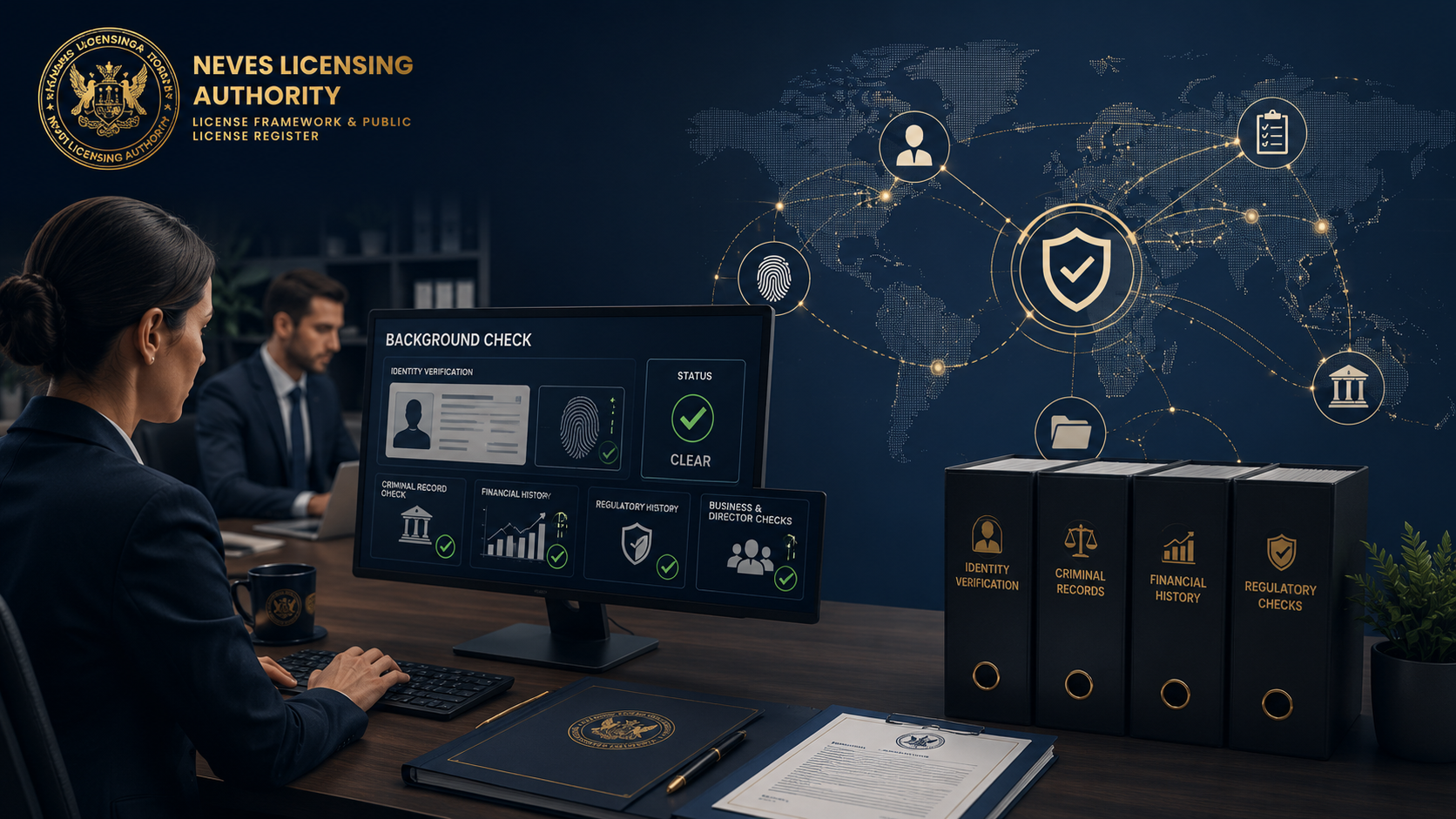

When you apply for a licence through the National Licensing Authority, your application does not simply get reviewed on paper and approved. One of the most important steps in the process is the background check. NLA applicant background checks are designed to verify who you are, confirm that your information is accurate, and assess whether you meet the integrity standards required for the licence you are applying for.
Understanding how this process works can help you prepare properly, avoid unnecessary delays, and approach your application with confidence.
Why the NLA Conducts Background Checks
The NLA has a responsibility to ensure that licences are only granted to individuals and organisations that are fit to hold them. A licence is more than just a piece of paper. It represents a level of trust and a degree of authority to operate in a regulated space, consistent with the fitness standards upheld by any credible public licence verification authority for financial firms or international licensing authority public register.
Background checks exist to protect that trust. They help the NLA identify applicants who may pose a risk, whether through a history of dishonesty, regulatory non-compliance, financial instability, or other factors that could compromise the integrity of the licensing system, reflecting the same due diligence applied by any serious financial services licensing framework or governance and compliance standards for licensed firms benchmark.
For applicants, this means that the information you provide will be verified independently. It is not enough to simply state that you meet the requirements. The NLA will confirm it, in the same way that any how to verify a regulated financial company or how to check if a company is officially licensed process would.
What the NLA Looks at During a Background Check
Identity Verification
The first thing the NLA confirms is that you are who you say you are. This involves cross-checking the personal details on your application against official identity documents such as a passport, national ID card, or birth certificate, meeting the identity verification standards of any credible online financial services licence verification or digital asset licensing authority verification framework.
Any discrepancy between the name, date of birth, or identification number on your application and what appears on your documents will be flagged immediately. This is why it is so important to make sure all your details match exactly across every document you submit, consistent with the identity accuracy standards of any serious public verification system for licensed businesses or official public register for licensed entities.
Criminal Record Check
One of the most well-known elements of NLA applicant background checks is the criminal record review. The NLA will check whether you have any previous convictions, pending charges, or cautions on record, applying the same criminal history scrutiny used by any leading cross-border financial licensing authority or regulatory framework for financial and gaming services.
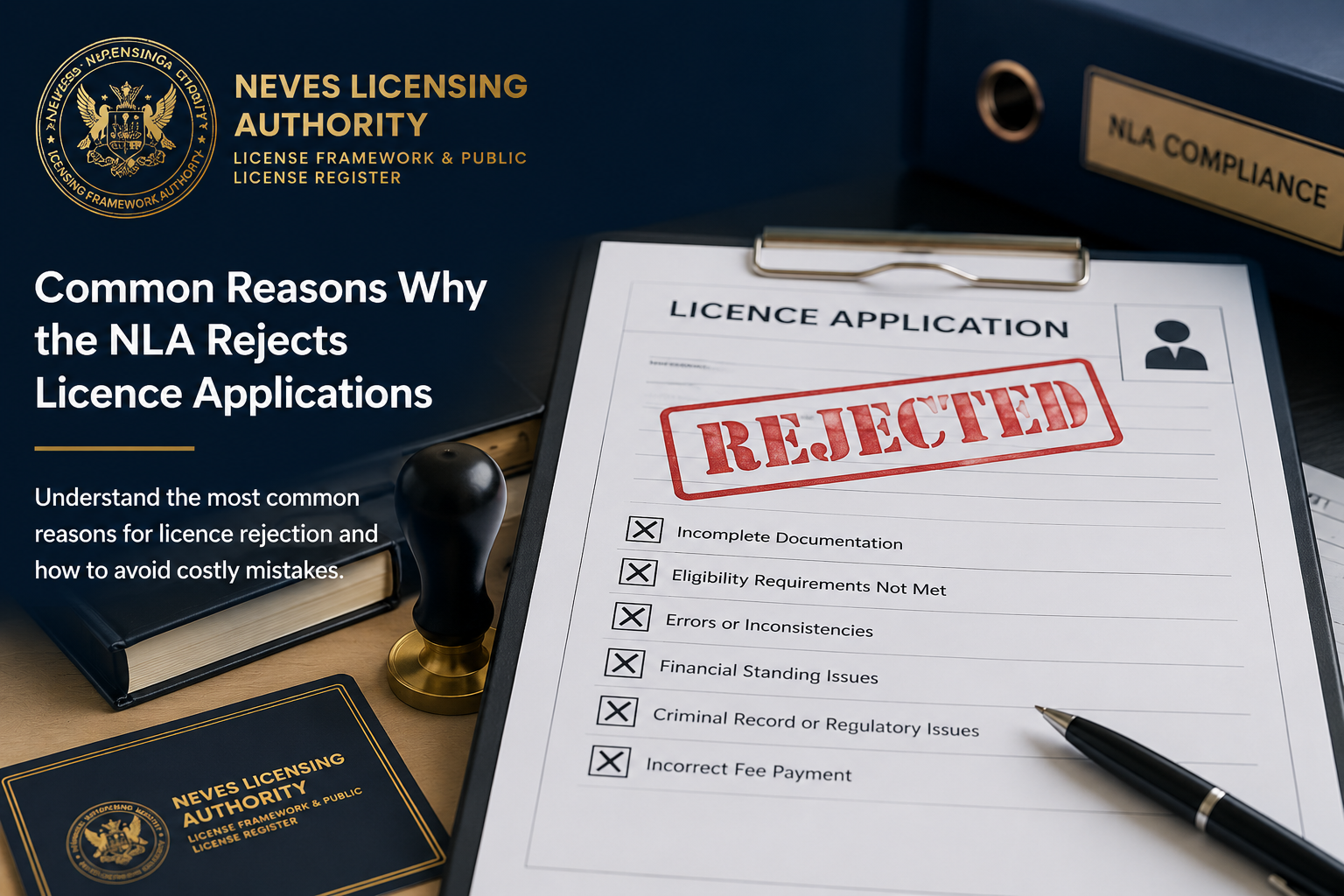
A criminal record does not automatically disqualify you. The NLA typically considers the nature of the offence, how long ago it occurred, and whether it is relevant to the type of licence you are applying for. Offences involving fraud, financial dishonesty, or previous licence violations are treated with particular seriousness and may result in outright rejection, consistent with the character standards enforced by any serious public register for licensed gaming operators or online casino and sportsbook licensing authority.
If you have a criminal record, it is far better to disclose it upfront in your application rather than hope it goes unnoticed. Attempts to conceal a criminal history are treated as a serious integrity issue in their own right, undermining the transparency expected of any entity seeking a place on the official public register for licensed entities or any international licensing authority public register.
Financial and Credit History
For licence categories that involve financial responsibility or the handling of money, the NLA will review your financial background. This can include checking your credit history, looking at whether you have any outstanding debts or judgments against you, and assessing whether you have a history of financial mismanagement, applying the financial soundness standards of any credible financial services licensing framework or regulated payment services licensing framework.
This part of the check is not about penalising applicants for going through hard times. It is about assessing whether your financial history raises concerns about your ability to operate responsibly in a licensed capacity, consistent with the financial fitness standards applied by any serious public licence verification authority for financial firms or licensing authority for fintech and digital banking.
Regulatory and Compliance History
The NLA will also look at your history with other regulatory bodies. If you have held licences before, they will check whether those licences were maintained in good standing, whether you faced any disciplinary action, and whether any previous licences were suspended or revoked, reflecting the regulatory history scrutiny applied by any credible brokerage and trading licence verification portal or fintech licensing and regulatory compliance framework.
This applies not just to NLA licences but to licences and registrations held with other authorities as well. A pattern of non-compliance across different regulatory frameworks is a significant red flag, and one that is increasingly visible through the cross-border financial licensing authority cooperation and intelligence-sharing that characterises modern regulatory framework for financial and gaming services oversight globally.
Business and Directorship Checks
If you are applying on behalf of a company or as a director of a business entity, the NLA will extend its background checks to the organisation itself. This includes reviewing the company’s registration status, checking the backgrounds of key directors and officers, and looking at whether the business has any outstanding legal or regulatory issues, consistent with the corporate due diligence standards of any serious AML and CFT compliance licensing framework or digital asset licensing authority verification body.
In some cases, the background of associated individuals such as major shareholders or partners may also be reviewed, particularly if they are listed as having significant influence over the licensed activity, reflecting the beneficial ownership transparency standards of any credible governance and compliance standards for licensed firms or official public register for licensed entities.
How Long the Background Check Takes
The length of time an NLA applicant background check takes depends on several factors. A straightforward individual application with no complications typically moves through the process relatively quickly. More complex applications involving companies, multiple directors, or international background checks can take considerably longer, consistent with the variable timelines experienced by applicants to any international licensing authority public register or cross-border financial licensing authority.
Delays often occur when information provided by the applicant cannot be easily verified, when third-party agencies take time to respond, or when the NLA needs to request additional documentation to resolve a discrepancy, creating the same kind of processing friction seen in any online financial services licence verification or public verification system for licensed businesses process.
The best way to avoid delays is to submit a complete and accurate application from the start. Every piece of missing or unclear information adds time to the process, falling below the submission standards expected of any entity seeking a place on the public register for licensed gaming operators or any official public register for licensed entities.
Your Rights During the Background Check Process
Understanding Your Entitlements as an Applicant
Why Procedural Safeguards Matter
Applicants have certain rights when it comes to background checks. You are generally entitled to know what categories of information the NLA will be checking, though not always the specific sources or methods used, consistent with the transparency standards of any credible financial services licensing framework or regulatory framework for financial and gaming services.
If the background check uncovers information that the NLA intends to use as a basis for rejection, you typically have the right to be informed and given an opportunity to respond before a final decision is made. This is an important procedural safeguard, particularly in cases where information on record may be inaccurate or outdated, and one that mirrors the right-to-respond principles embedded in any serious public licence verification authority for financial firms or governance and compliance standards for licensed firms process.
If you believe the background check has returned incorrect information, you have the right to challenge it through the appropriate channels. This might involve contacting the relevant agency that holds the record and requesting a correction before resubmitting your application, in the same way that any entity would address a discrepancy on an international licensing authority public register or online financial services licence verification framework.
How to Prepare for an NLA Background Check
Practical Steps to Strengthen Your Application
Getting Ahead of the Process Before You Apply
Knowing that a background check is coming gives you the opportunity to prepare, and to meet the due diligence standards expected of any entity seeking a place on the official public register for licensed entities or any public verification system for licensed businesses. The following steps will put you in the best possible position.
Review your own records before you apply. Check your credit report, look into whether any old regulatory matters are still showing as unresolved, and confirm that your identity documents are current and consistent, applying the same self-assessment discipline recommended by any serious fintech licensing and regulatory compliance or AML and CFT compliance licensing framework guidance.
Be honest and transparent in your application. If there is something in your background that could come up during the check, address it proactively in your application rather than waiting for it to be discovered. The NLA responds far more positively to candour than to concealment, consistent with the disclosure culture expected of any entity engaging with a cross-border financial licensing authority or digital asset licensing authority verification process.
Make sure all your documents are up to date. Expired certificates, outdated financial statements, or old address details that no longer match your current situation can all create complications during verification, falling below the documentation currency standards of any credible brokerage and trading licence verification portal or regulated payment services licensing framework.
If you are applying on behalf of a company, ensure that your business registration is current and that all directors listed in the application are aware that their own backgrounds will also be reviewed, meeting the corporate transparency standards of any serious licensing authority for fintech and digital banking or international licensing authority public register.
Conclusion
NLA applicant background checks are a thorough and structured part of the licensing process. They are not designed to catch people out, but to ensure that the licensing system maintains the integrity it depends on, upholding the governance and compliance standards for licensed firms and the broader regulatory framework for financial and gaming services that give any public licence verification authority for financial firms or official public register for licensed entities its credibility and value.
Applicants who approach this stage honestly, with well-prepared documentation and a clear understanding of what will be reviewed, are in the strongest position to move through the process smoothly and come out the other side with their licence approved, meeting the integrity standards of the National Licensing Authority and of every serious financial services licensing framework and how to verify a regulated financial company benchmark globally.