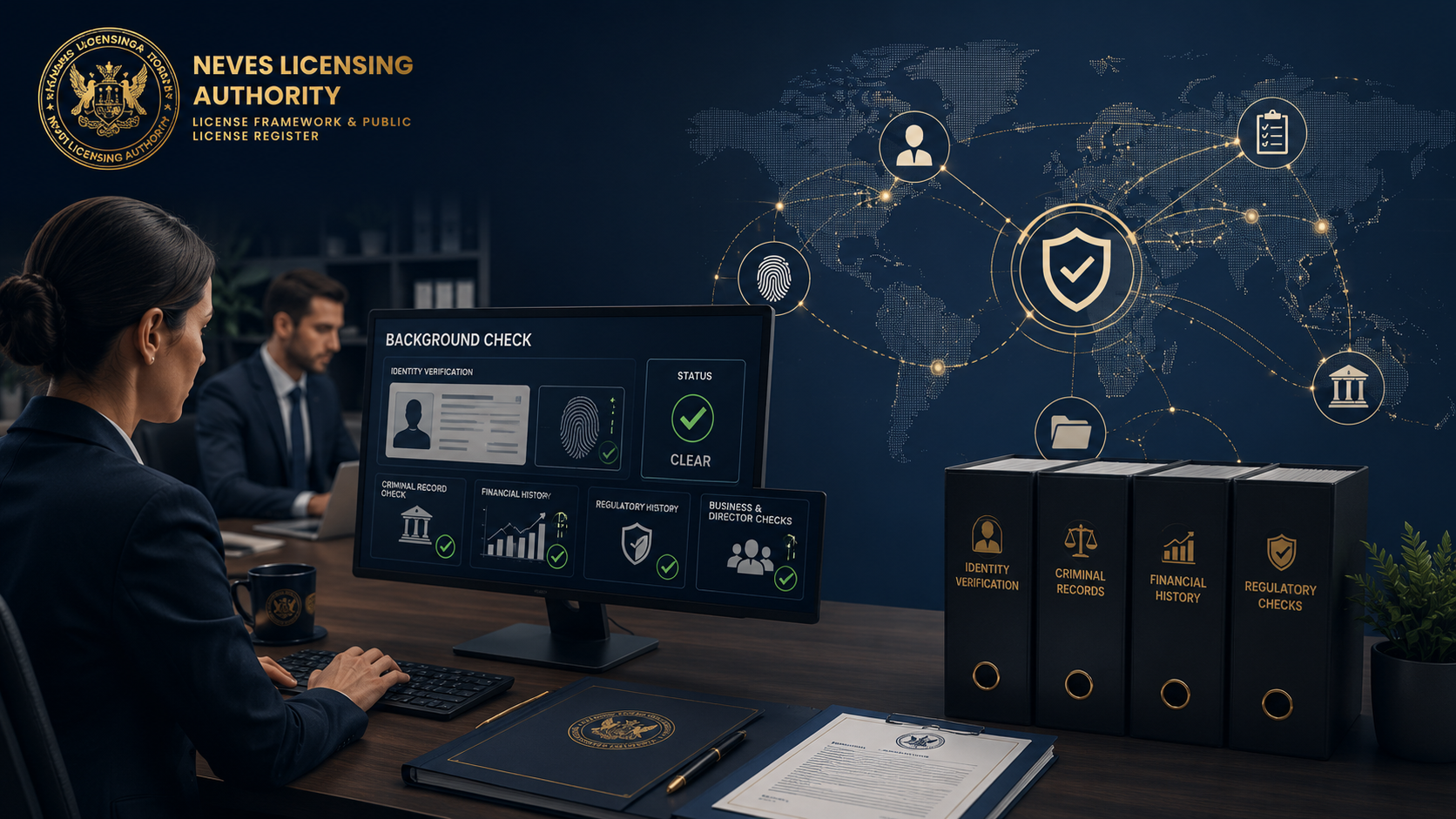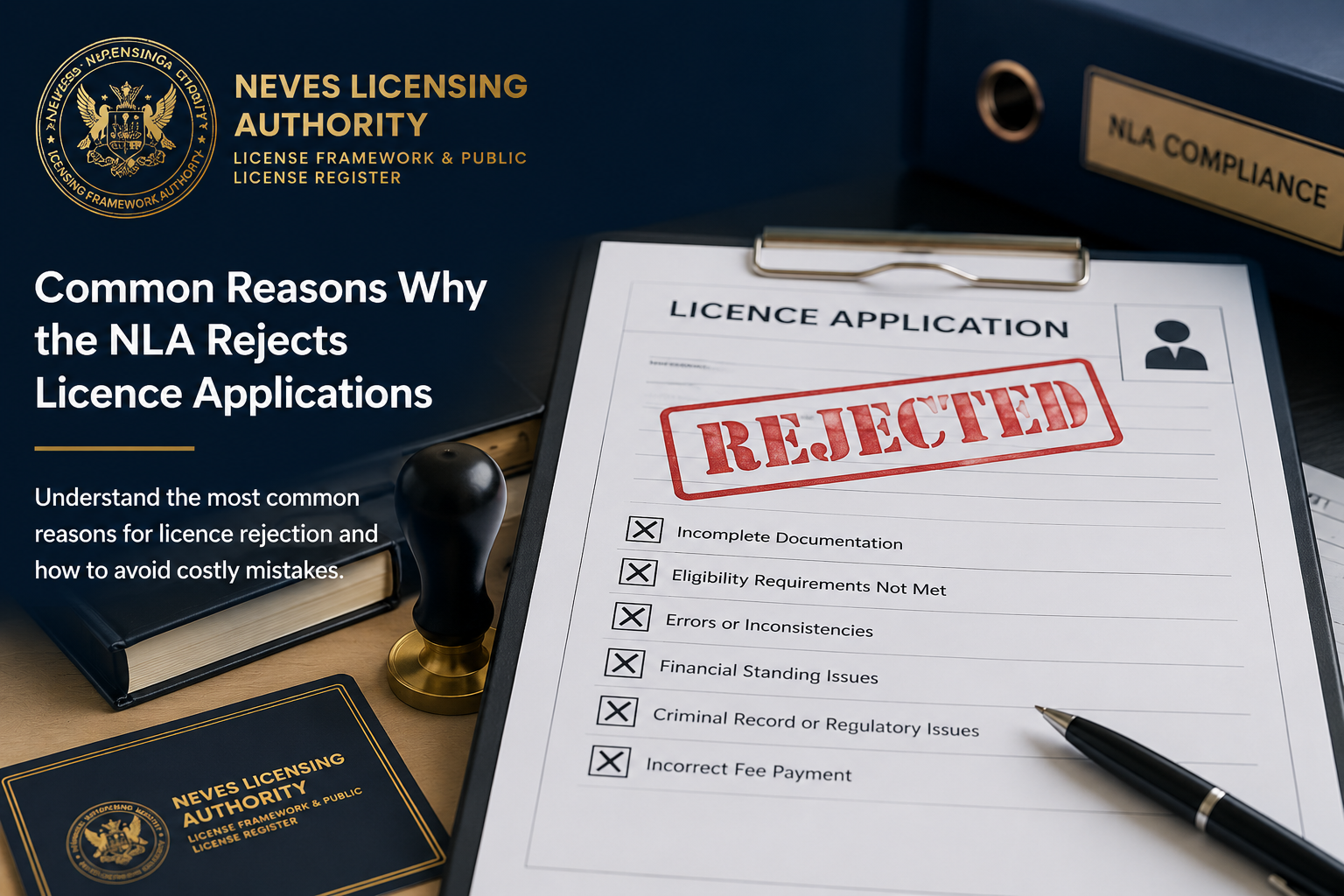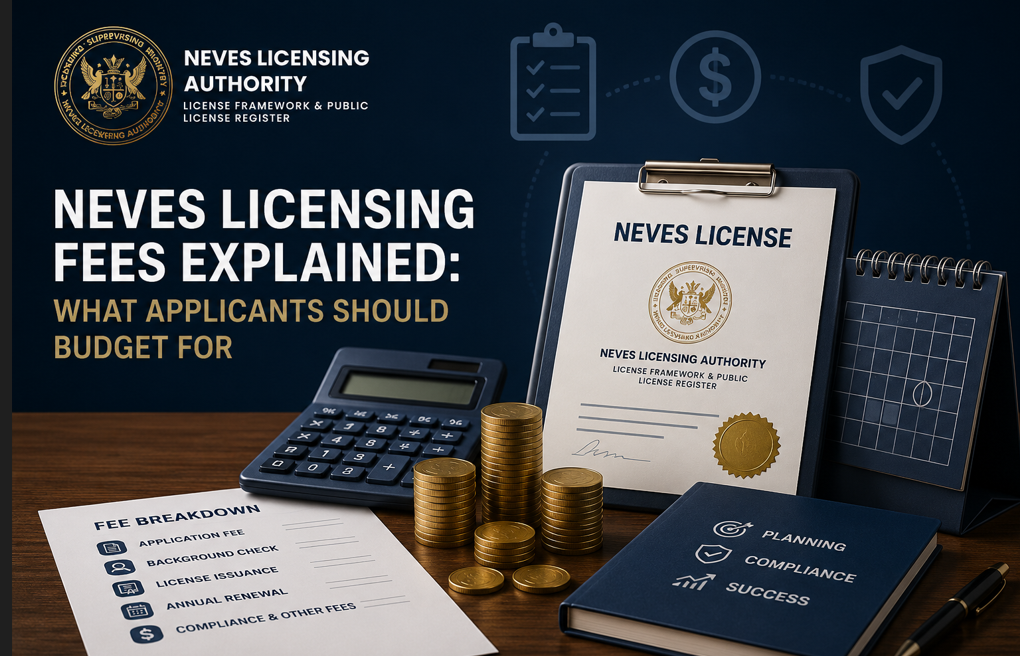
Getting your NLA licence approved starts long before you submit your application. It starts with gathering the right paperwork. Missing or incorrect NLA licence documents are one of the leading reasons applications get delayed or rejected outright. This guide walks you through everything you are likely to need, organised clearly so you can prepare without confusion.
Why Documents Matter So Much in the NLA Process
The NLA does not take applicants at their word. Every claim you make in your application, whether about your identity, your qualifications, your financial standing, or your business operations, needs to be backed up by official documentation.
Think of your documents as the evidence that supports your application. If the evidence is incomplete, inconsistent, or out of date, the NLA has no basis to approve what you are asking for. Getting this right from the start is the single most effective thing you can do to avoid delays.
Category One: Personal Identity Documents
Proof of Identity
Every applicant must provide valid proof of identity. Accepted documents typically include a current passport, a national identity card, or a government-issued driving licence. The document must be valid at the time of submission, not expired.
Proof of Address
Alongside your identity document, you will need to prove where you currently live. Recent utility bills, bank statements, or official government correspondence dated within the last three months are usually accepted. Make sure the name and address on these documents match exactly what you have written on your application form.
Passport-Sized Photographs
Many NLA licence categories require recent passport-sized photographs to accompany the application. Check the specific requirements for your licence type, as the number of photographs and their specifications can vary.
Category Two: Professional and Educational Qualifications
Relevant Certificates and Diplomas
If your licence category requires a specific level of education or professional training, you will need to submit certified copies of your certificates or diplomas. Original documents are preferred in some cases, so check whether the NLA requires originals, certified copies, or both.
Professional Membership or Registration Proof
For applicants in regulated professions, proof of current membership with a relevant professional body may be required. This could be a membership card, a letter of standing from the organisation, or a printed certificate of registration.
Evidence of Work Experience
Some licence categories require applicants to demonstrate a minimum number of years of relevant work experience. Supporting evidence might include employment letters from past employers, contracts, payslips, or a detailed CV accompanied by references.
Category Three: Financial Documents
Bank Statements
Recent bank statements showing sufficient funds or financial activity are commonly required. Most NLA processes ask for statements covering the last three to six months. Make sure these are official statements, either printed on bank letterhead or downloaded as official PDFs, rather than screenshots.
Audited Financial Accounts
For business applicants or those applying for higher-tier licences, audited financial accounts prepared by a registered accountant may be mandatory. These accounts give the NLA a clear picture of the financial health and stability of the applicant.
Proof of Capital or Financial Guarantees
Where a minimum capital requirement applies, you will need to submit documentation proving that the required funds are available. This might take the form of a bank letter, a financial guarantee from a recognised institution, or a certified statement of assets.
Category Four: Business and Entity Documents
Certificate of Incorporation
If you are applying as a company or business entity, a valid certificate of incorporation is essential. This confirms that your business is legally registered and recognised.
Company Registration Documents
Alongside the certificate of incorporation, you will typically need to provide your memorandum and articles of association, details of directors and shareholders, and your company registration number. These documents collectively confirm how your business is structured and who controls it.
Business Address Proof
Just as individual applicants need to prove their residential address, business applicants must prove their registered business address. This can be done through a lease agreement, a utility bill in the company name, or an official correspondence document sent to the business premises.
Tax Registration and Compliance Documents
Evidence that your business is registered for tax purposes and is up to date with its obligations is often required. This might include a tax identification number, a VAT registration certificate, or a tax clearance letter from the relevant authority.
Category Five: Premises and Operational Documents
Proof of Premises Ownership or Lease
For licences that are tied to a physical location, you will need to prove that you have the legal right to operate from that address. A property title deed, a signed lease agreement, or a letter from a landlord confirming your occupancy are all commonly accepted forms of evidence.
Health and Safety Certifications
Depending on the nature of your licence, you may need to show that your premises meet the required health and safety standards. This could include fire safety certificates, electrical compliance reports, or a formal inspection report from a relevant authority.
Zoning and Planning Permissions
If your licence involves operating a business from premises in a specific zone, evidence that the location is approved for that type of activity may be required. This typically comes in the form of a planning permission letter or a zoning clearance certificate from the local authority.
Category Six: Supporting Declarations and Legal Documents
Signed Declaration Forms
Most NLA applications include one or more declaration forms that must be completed and signed by the applicant. These declarations confirm that the information you have provided is accurate and that you understand the obligations that come with holding the licence.
Police Clearance Certificate
A police clearance certificate or a certificate of good conduct is required for most individual applicants. This document confirms that you do not have a criminal record, or if you do, provides a formal record of it. The certificate must usually be recent, often no more than three to six months old at the time of submission.
References or Character Letters
Some licence categories require applicants to submit one or more character references from individuals who can vouch for their integrity and suitability. These references must usually come from people in a professional capacity rather than personal acquaintances, and the NLA may specify how many are needed and what format they should take.
Keeping Your NLA Licence Documents in Order
Use the Official Checklist
The NLA publishes an official checklist for each licence category. Always use the most current version of this checklist rather than relying on memory or outdated guidance. Requirements can change, and submitting documents based on old information is a common and avoidable mistake.
Check Expiry Dates on Everything
Before you submit, go through every document and check whether it is still valid. Identity documents, police clearances, financial statements, and professional certificates all have shelf lives. An expired document can hold up your entire application.
Make Certified Copies Where Required
Where the NLA requires certified copies rather than originals, make sure your copies are certified by an appropriate authority such as a notary, a commissioner of oaths, or a designated certifying officer. An uncertified photocopy is not the same as a certified copy and will not be accepted.
Keep a Complete Set for Your Own Records
Before you submit your application, make copies of everything you are sending. If the NLA ever queries a document or asks for a resubmission, having your own complete set makes the process much faster and less stressful.
Conclusion
Preparing your NLA licence documents thoroughly is not just a formality. It is the foundation of a successful application. Every document you submit tells the NLA something important about who you are, whether you qualify, and whether you can be trusted to hold a licence responsibly. Take the time to get it right, double-check everything before submission, and treat the documentation stage as an investment in a smooth and successful outcome.