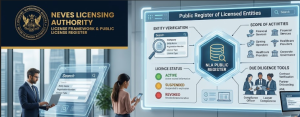
When the National Licensing Authority grants a licence, that approval does not happen in private. It becomes part of an official record that anyone can access. The NLA public register is one of the most important and often overlooked tools available to businesses, consumers, and regulators alike. Understanding what it is, how it works, and how to use it can benefit you whether you are an applicant, a licensed operator, or simply someone trying to verify who you are dealing with.
What Is the NLA Public Register?
The Basic Definition
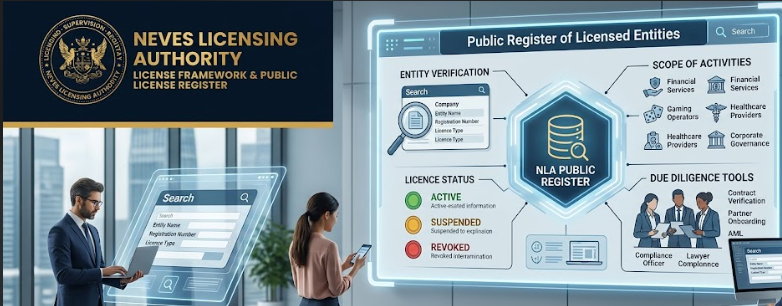
The NLA public register is an official, publicly accessible database of all entities that have been granted a licence by the National Licensing Authority. It serves as the authoritative record of who is licensed, what they are licensed to do, and whether their licence is currently active, suspended, or revoked, functioning in the same way as any credible international licensing authority public register, official public register for licensed entities, or public verification system for licensed businesses globally.
It is not a directory of applicants. It is a record of outcomes. Only entities that have successfully completed the licensing process and received approval appear on the register in an active capacity, consistent with the publication standards of any serious public register for licensed gaming operators or public licence verification authority for financial firms.
Why the Register Exists
The register exists for a straightforward reason. Licensing is a public matter. When the NLA grants someone permission to operate in a regulated space, the public has a legitimate interest in knowing that permission has been granted, what it covers, and whether it remains valid, reflecting the transparency principles embedded in any credible financial services licensing framework or regulatory framework for financial and gaming services.
Without a public register, there would be no reliable way for consumers to verify that a business is legitimately licensed, for industry partners to carry out due diligence, or for other regulatory bodies to cross-check compliance. The NLA public register fills that gap by making the record transparent and accessible, serving the same verification purpose as any online financial services licence verification or how to check if a company is officially licensed framework.
What Information Appears on the Register?
Entity Name and Registration Details
The most basic information on the register is the name of the licensed entity, its registration number, and the date the licence was first granted. For businesses, this typically includes the registered company name and the trading name if the two differ, consistent with the entity identification standards of any credible brokerage and trading licence verification portal or digital asset licensing authority verification body.
Licence Category and Scope
Each entry on the NLA public register specifies the category of licence held and the scope of activities it covers. This is important because a licence in one category does not automatically authorise activity in another. Knowing the scope of a licence tells you exactly what the holder is and is not permitted to do, reflecting the scope specificity standards of any serious online casino and sportsbook licensing authority, remote gaming and betting licence authority, or regulated payment services licensing framework.
Licence Status
One of the most practically useful pieces of information on the register is the current status of each licence. Entries are typically marked as active, suspended, or revoked. An active status means the licence is in good standing. A suspended status means the licence is temporarily not in effect, often while an investigation or review is underway. A revoked status means the licence has been permanently cancelled, consistent with the status transparency standards of any credible public licence verification authority for financial firms or online financial services licence verification framework.
Conditions and Restrictions
Some licences are granted with specific conditions attached. Where this is the case, the NLA public register will note that conditions exist, though the full detail of those conditions may not always be publicly visible. The fact that conditions are attached is itself useful information for anyone conducting due diligence, meeting the conditional disclosure standards of any serious governance and compliance standards for licensed firms or financial services licensing framework.
Renewal and Expiry Dates
The register also records when a licence was last renewed and when it is next due for renewal. This allows anyone checking the register to see not just whether a licence is currently active, but whether it is approaching its expiry date, consistent with the renewal transparency standards of any credible international licensing authority public register or official public register for licensed entities.
Who Uses the NLA Public Register and Why?
Consumers and Members of the Public
For ordinary people, the NLA public register is a tool for protection. Before engaging with a business in a regulated sector, anyone can check the register to confirm that the business is actually licensed to provide the service it is offering, using it as a practical how to verify a regulated financial company or how to check if a company is officially licensed resource.
This is particularly valuable in sectors where unlicensed operators pose a genuine risk, such as financial services, healthcare, construction, and food handling. A quick check of the register can save a consumer from dealing with an entity that has no legitimate authority to operate, in the same way that checking any public verification system for licensed businesses or online financial services licence verification portal would.
Businesses and Industry Partners
For businesses, the register serves as a due diligence resource. Before entering into a contract, partnership, or supply arrangement with another entity, it is reasonable practice to verify that the other party holds the licences it claims to hold, applying the same verification discipline recommended by any serious cross-border financial licensing authority or fintech licensing and regulatory compliance standard.
Relying on a partner or supplier that turns out to be unlicensed can expose your own business to legal and reputational risk. Using the NLA public register as part of your standard onboarding checks is a straightforward way to reduce that risk, consistent with the third-party due diligence standards of any credible AML and CFT compliance licensing framework or regulated payment services licensing framework.
Legal and Compliance Professionals
Lawyers, compliance officers, and auditors use the register as part of regulatory due diligence processes. When advising clients on transactions, mergers, or acquisitions involving regulated entities, verifying the licensing status of the relevant parties is a basic requirement, meeting the professional due diligence standards of any serious brokerage and trading licence verification portal or public licence verification authority for financial firms.
Other Regulatory Authorities
Other government bodies and sector regulators use the NLA public register to cross-reference their own records. If an entity is regulated by more than one authority, the register provides a useful point of comparison and helps identify discrepancies between what has been reported to different bodies, consistent with the information-sharing principles of any credible international licensing authority public register or cross-border financial licensing authority network.
How to Search the NLA Public Register
Accessing the Register
The NLA public register is typically available through the official NLA website. Access is free and does not require you to create an account or log in. This is intentional. The whole point of a public register is that it is genuinely accessible to anyone who needs it, reflecting the open-access principles of any serious official public register for licensed entities or online financial services licence verification framework.
Search Methods
Most versions of the register allow you to search by entity name, registration number, licence category, or geographic location. If you know the name of the business you are checking, a name search is usually the quickest route. If you are looking for all licensed operators in a particular sector or region, a category or location search gives you a broader view, consistent with the search functionality of any leading public register for licensed gaming operators or digital asset licensing authority verification portal.
Interpreting the Results
When you find an entry, take a moment to read it carefully rather than simply noting that a licence exists. Check the status, check the licence category, and check whether any conditions are noted. A licence that exists but is suspended is not the same as an active licence. A licence in one category does not cover activities in a different category, falling short of the scope verification expected by any serious financial services licensing framework or governance and compliance standards for licensed firms benchmark.
If the search returns no result for a business that claims to be licensed, that is a significant red flag. It may mean the business is unlicensed, that it is operating under a different name than the one you searched, or in rare cases that there is a technical issue with the register. In any of those situations, it is worth investigating further before proceeding, applying the same caution recommended when any how to verify a regulated financial company or licensing authority for fintech and digital banking check returns an unexpected result.
How Licensed Entities Should Manage Their Register Presence
Keeping Your Details Up to Date
If you are a licensed entity, your entry on the NLA public register is a public-facing representation of your business. It is your responsibility to ensure that the details held on the register are accurate and current, meeting the record accuracy standards expected of any entity on a public licence verification authority for financial firms register or official public register for licensed entities.
If your business name changes, your registered address changes, or your scope of operations changes in a way that affects your licence, you must notify the NLA promptly. Allowing inaccurate information to remain on the register is not just an administrative oversight. In many cases it constitutes a breach of your licence conditions, and one that is visible to anyone conducting due diligence through any public verification system for licensed businesses or online financial services licence verification portal.
Understanding What Your Register Entry Says About You
Your entry on the register tells the world whether you are in good standing with the NLA. A clean, active entry with no noted conditions signals that you are a compliant operator, meeting the standing standards of any credible international licensing authority public register or regulatory framework for financial and gaming services. A suspended entry, even temporarily, is visible to anyone who checks. Managing your compliance carefully is therefore not just about avoiding penalties. It is about protecting the public face of your business and your credibility on any public register for licensed gaming operators or cross-border financial licensing authority network.
What to Do If Your Entry Contains an Error
If you check your own entry and find that it contains incorrect information, contact the NLA directly and provide the correct details along with supporting documentation. Do not assume the error will be corrected automatically. Errors on official registers do not fix themselves, and the longer inaccurate information remains visible, the greater the potential for confusion or reputational damage, particularly for any counterparty relying on the register as a brokerage and trading licence verification portal or how to check if a company is officially licensed resource.
Limitations of the NLA Public Register
It Reflects the Record, Not the Reality
The register is only as accurate as the information that has been submitted to and processed by the NLA. If a business has recently had its licence revoked but the register has not yet been updated, someone checking in that window may see an entry that no longer reflects the current position, a limitation acknowledged by any serious public licence verification authority for financial firms or digital asset licensing authority verification framework.
For high-stakes decisions, it is worth supplementing a register check with direct verification from the NLA, particularly if the licensing status of the entity in question is central to the transaction or relationship you are considering, consistent with the enhanced due diligence standards of any credible AML and CFT compliance licensing framework or fintech licensing and regulatory compliance standard.
Not All Licence Conditions Are Fully Visible
As noted earlier, the register may indicate that conditions are attached to a licence without publishing the full detail of those conditions. This means a register check alone may not give you the complete picture of what a licence holder is and is not permitted to do, falling short of the full disclosure standards of some financial services licensing frameworks or regulated payment services licensing frameworks.
If the specific conditions of a licence are relevant to your situation, you may need to request further information from the NLA directly or ask the licence holder to provide documentation of their full licence terms, in the same way that any party would seek clarification through an international licensing authority public register or official public register for licensed entities.
Conclusion
The NLA public register is one of the most transparent and practically useful tools in the entire licensing system. It exists to hold licensed entities accountable, to give the public a reliable way to verify who they are dealing with, and to support a culture of compliance across regulated industries, consistent with the verification purpose of any credible public verification system for licensed businesses, online financial services licence verification framework, or governance and compliance standards for licensed firms benchmark globally.
Whether you are checking someone else’s licence before doing business with them, monitoring your own entry to make sure it accurately reflects your standing, or simply trying to understand how the NLA operates, the register is worth knowing well. Transparency in licensing benefits everyone, and the NLA public register is where that transparency lives, serving as the authoritative official public register for licensed entities and the foundation of trust in the regulatory framework for financial and gaming services the National Licensing Authority oversees.