
Obtaining a licence in Neves is a structured and transparent process designed to ensure that only compliant, legitimate, and well-governed businesses are authorised to operate. The Neves licence application process follows defined regulatory standards and is managed through the official Neves licensing system, ensuring efficiency, accountability, and public trust. Below is a detailed step-by-step explanation of how the Neves licence application process works from start to finish.
Step 1: Identify the Appropriate Licence Category
The first step in the Neves licence application process is determining the correct licence category based on the nature of the business. Neves issues licences across multiple sectors, including financial services, gaming, corporate services, and other regulated activities. Each licence type carries its own eligibility criteria, documentation requirements, and compliance obligations.
Applicants must carefully assess their business model, target market, and operational structure before selecting a licence category, as applying under the wrong category can lead to delays or rejection.
Step 2: Establish the Legal Entity
Before submitting a Neves licence application, applicants are typically required to establish a legal entity in accordance with Neves corporate laws. This includes registering the company, appointing directors and shareholders, and defining the company’s ownership structure.
At this stage, regulators assess whether the entity has a legitimate commercial purpose and a transparent corporate structure. Shell entities or unclear ownership arrangements are likely to face enhanced scrutiny.
Step 3: Prepare Required Documentation
Documentation is a critical component of the Neves licence application process. Applicants must compile and submit detailed information that demonstrates financial soundness, operational readiness, and regulatory compliance.
Common documentation requirements include:
- Certificate of incorporation and constitutional documents
- Details of directors, shareholders, and beneficial owners
- Business plan outlining activities and revenue model
- Compliance policies such as AML and KYC frameworks
- Proof of capital adequacy, where applicable
All documents must be accurate, current, and clearly legible to avoid unnecessary regulatory queries.
Step 4: Create an Account on the Neves Licensing Portal
Once documentation is ready, applicants must register on the official Neves Licensing Portal. This secure digital platform is used for all licence submissions, communications, and status updates.
After account creation, applicants gain access to their application dashboard, where they can select the licence type, upload documents, and complete regulatory declarations. The portal ensures a standardized submission process and maintains a complete audit trail.
Step 5: Submit the Licence Application
The licence application is submitted electronically through the Neves Licensing Portal. Applicants must complete all required fields, upload supporting documents, and formally declare the accuracy of the information provided.
Upon submission, the system generates a unique application reference number. This allows applicants to track progress and ensures that all communications with the licensing authority remain centralized and documented.
Step 6: Regulatory Review and Due Diligence
After submission, the Neves licensing authority initiates a comprehensive review process. This stage focuses on due diligence, compliance assessment, and risk evaluation. Regulators verify ownership structures, assess financial stability, and review governance and compliance frameworks.
During this phase, authorities may request additional clarification or supporting documentation. Applicants are expected to respond promptly through the portal to maintain application momentum.
Step 7: Fit and Proper Assessment
As part of the review process, Neves conducts fit and proper assessments of key individuals associated with the application. This includes directors, senior management, and beneficial owners.
The assessment evaluates:
- Professional competence and experience
- Financial integrity
- Regulatory history and background checks
- Reputation and ethical standing
This step ensures that licensed entities are managed by individuals capable of operating responsibly within the regulatory framework.
Step 8: Approval or Conditional Approval
Once the review process is complete, the Neves licensing authority issues a decision. Applications may be approved outright or approved subject to specific conditions. Conditional approvals typically require applicants to implement additional controls or submit final documentation before the licence becomes fully active.
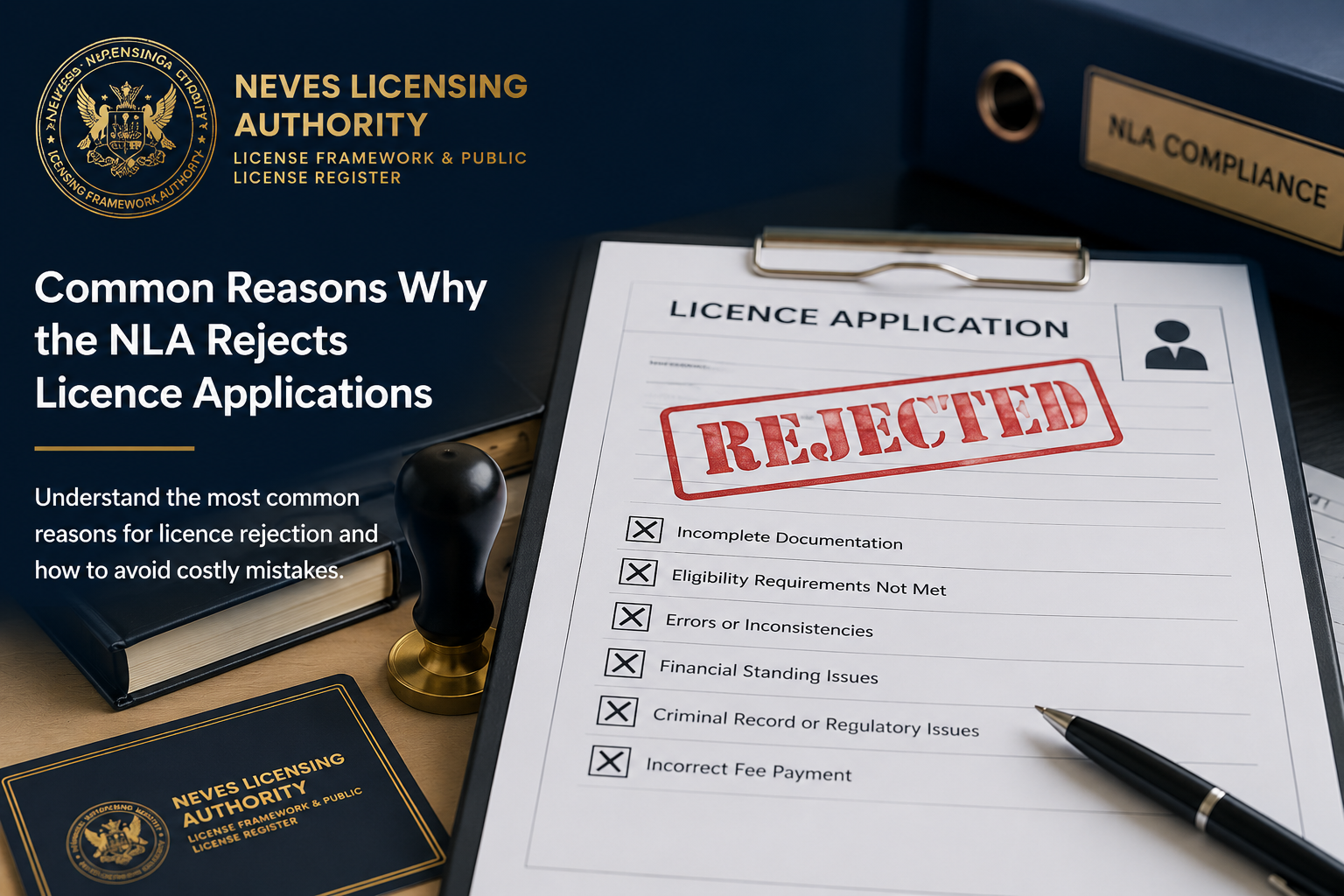
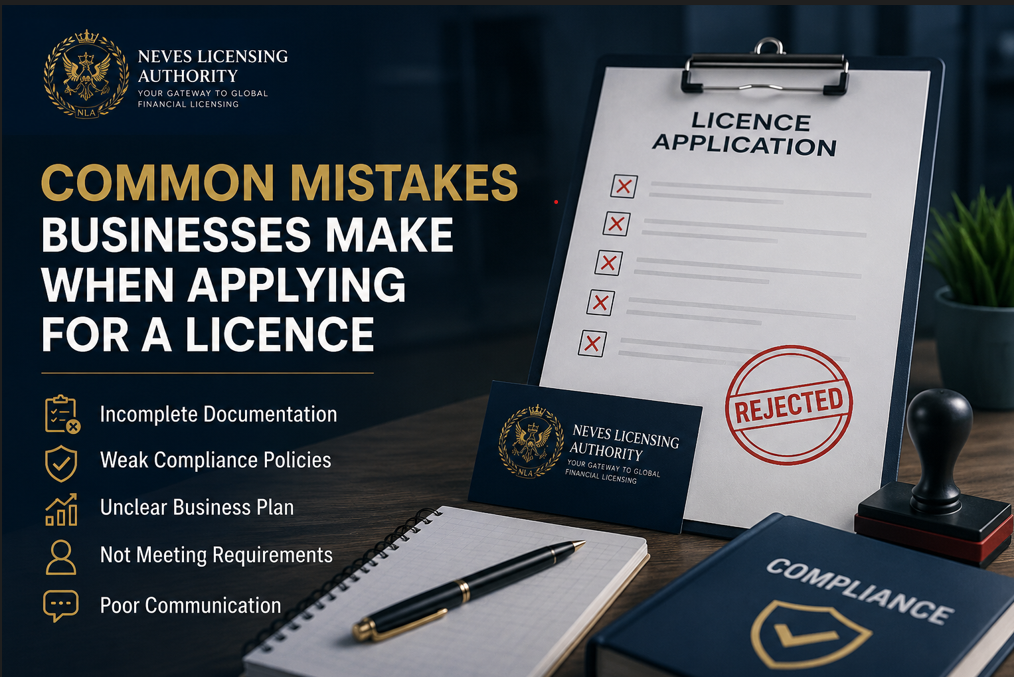
If deficiencies are identified that cannot be remedied, the application may be rejected with reasons provided.
Step 9: Licence Issuance
Upon approval, the licence is issued digitally through the Neves Licensing Portal. Licensees can download their official licence certificate and view the scope of permitted activities directly from their dashboard.
The licence details are also entered into the public verification database, allowing third parties to confirm the entity’s regulatory status.
Step 10: Post-Licensing Compliance Obligations
Obtaining a Neves licence is not the final step. Licensees are subject to ongoing regulatory obligations, including periodic reporting, compliance updates, and supervisory reviews.
Licensed entities must:
- Submit regular compliance and financial reports
- Notify regulators of material changes in operations or ownership
- Maintain AML, KYC, and risk management frameworks
- Cooperate with regulatory inspections and audits
Failure to meet these obligations can result in penalties, suspension, or revocation of the licence.
Step 11: Licence Renewal and Amendments
Neves licences are typically issued for a defined validity period. The licensing portal provides automated reminders ahead of renewal deadlines, allowing licensees to submit renewal applications in a timely manner.
Any changes to the licence scope, business activities, or corporate structure must also be submitted through the portal for regulatory approval.
Conclusion
The step-by-step Neves licence application process is designed to balance regulatory rigor with operational efficiency. By following a structured approach—from selecting the correct licence category to meeting post-licensing compliance requirements—applicants can significantly improve their chances of approval. The use of a centralized digital portal ensures transparency, accountability, and long-term regulatory oversight, making Neves a credible and well-regulated licensing jurisdiction.